Category
Performance
39 articles · page 1 of 4
How the Middle East Conflict Turned a Loosening Gas Market into a Prolonged Squeeze
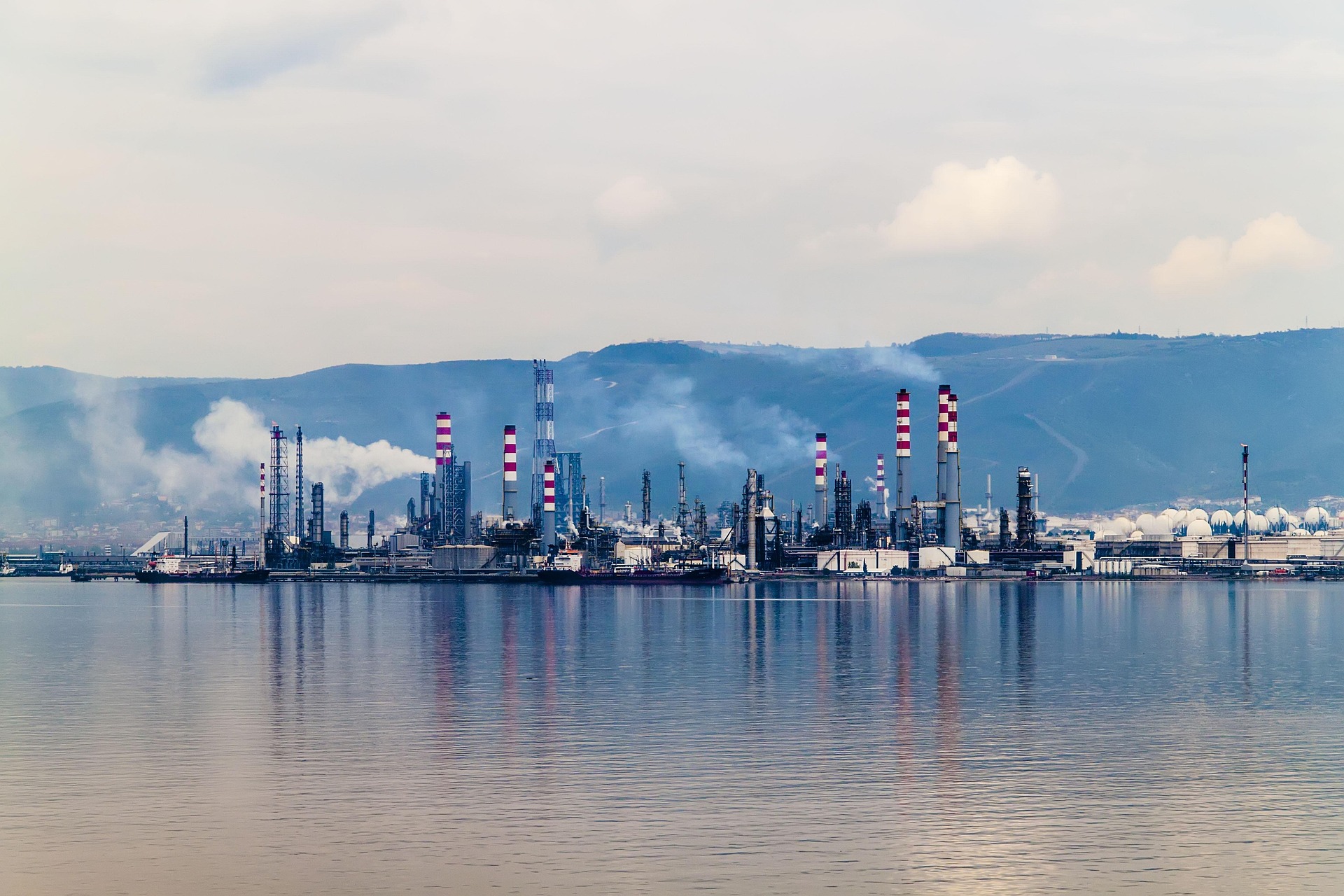
The Strait of Hormuz has been effectively closed to LNG cargoes since March, and the consequences are now visible in every major gas market on the planet. The International Energy Agency’s latest quarterly report puts numbers to what traders already felt: close to 20% of global LNG supply pulled from circulation in a matter of…
ENERGY
Beyond the Battery: Why Solid-State Energy Harvesting Outlasts Every Chemical Cell
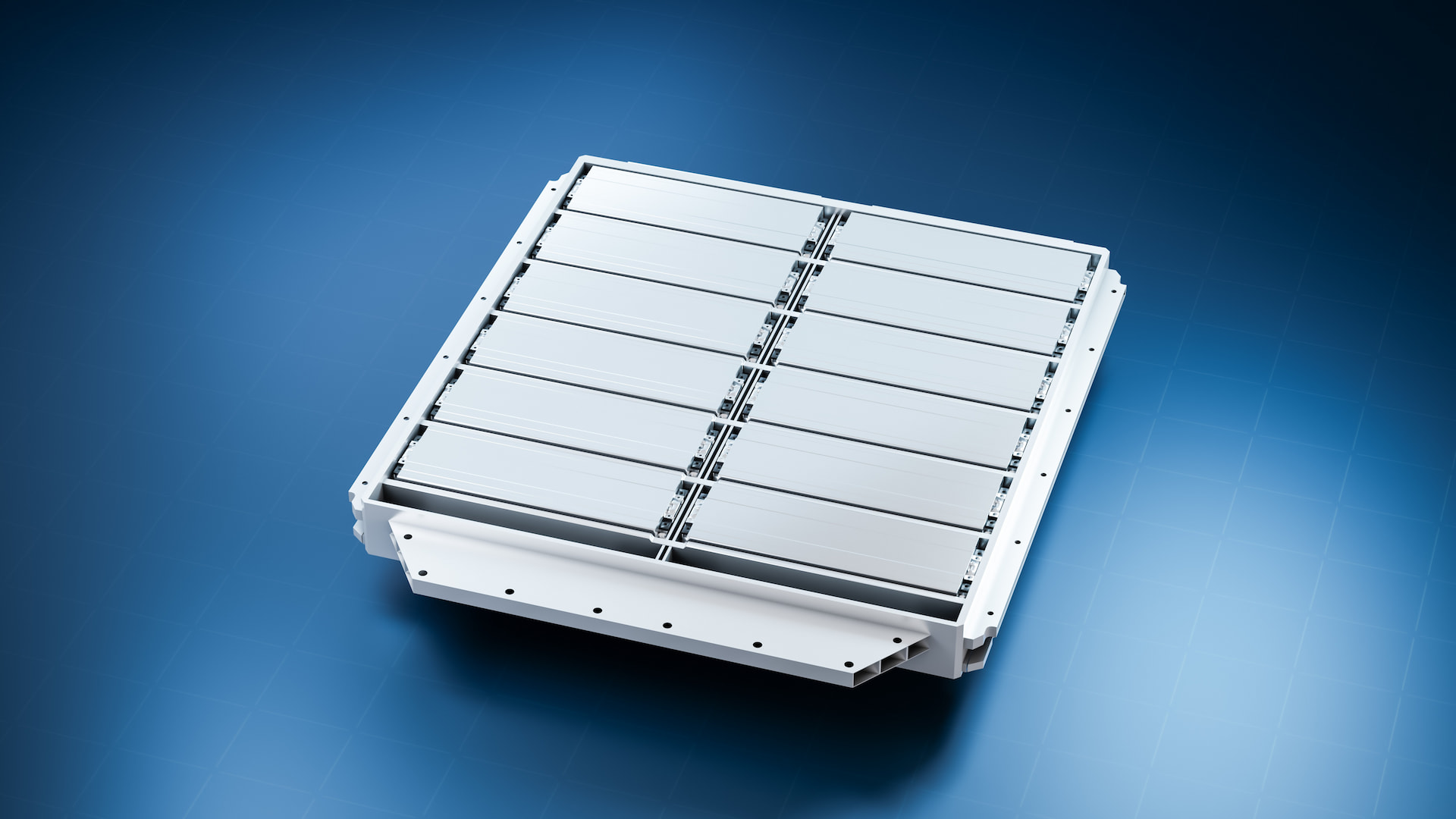
Batteries will remain part of the energy system. But the assumption that they can carry the entire transition is starting to crack under the weight of its own contradictions. The Expiration Date Built Into Every Cell Every lithium-ion battery begins dying the moment it starts working. That is not a design flaw waiting to be…
ENERGY
KATRIN Experiment: Accurately Determining Neutrino Mass Transforms Particle Physics
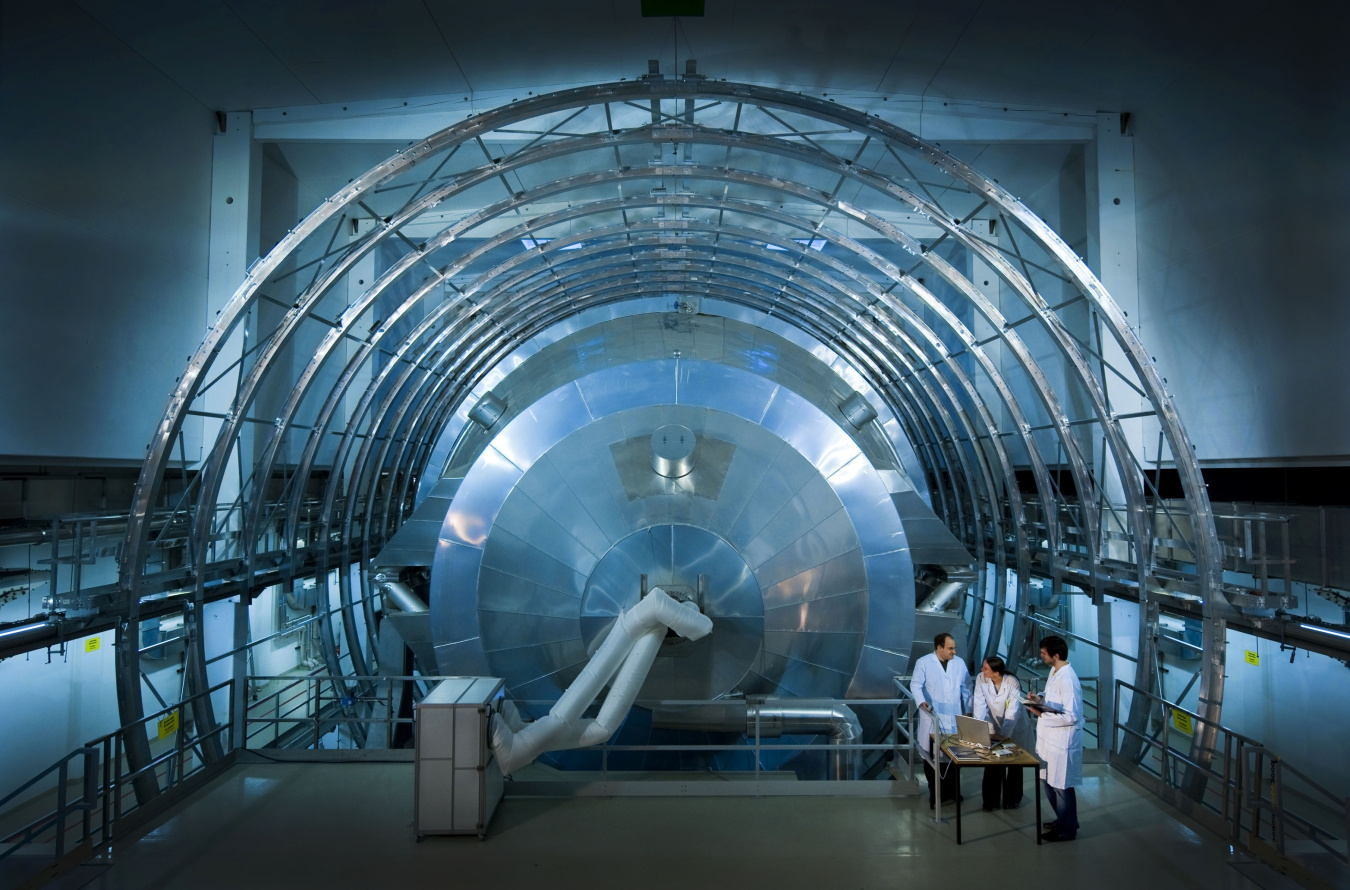
Overview of Neutrino Physics and Its Importance for Cosmology We are on the verge of a major accomplishment in contemporary physics: the accurate measurement of neutrino mass. These almost massless elementary particles are ubiquitous in the universe and have an impact on fundamental physics models as well as the genesis of cosmic structures. The main…
Energy Performance and Real Estate Values in Europe: Institutional Investors Redefine the Market in 2026
The New Reality of Energy Performance in European Real Estate We are witnessing a structural transformation across Europe’s real estate market, where energy performance is no longer a compliance issue—it is a core determinant of asset value. Institutional investors are rapidly repricing assets based on sustainability metrics, regulatory exposure, and long-term operational efficiency. Buildings with…
How Artificial Intelligence Is Changing the Biggest Film Industry in the World
The Rapid Integration of AI in Film Production We are witnessing a structural transformation in the global film industry, driven by the accelerated adoption of artificial intelligence. Nowhere is this shift more visible than in the world’s most prolific film markets, where production volume, cost pressure, and audience demand intersect. AI is no longer an…
Power Without the Sun: Why the Night Shift Belongs to Neutrinos
Solar energy changed the world. But it still goes dark at dusk. A different kind of power source has no such limitation. Somewhere in sub-Saharan Africa, a nurse finishes a shift by …
Investing in energy efficiency’s future generation
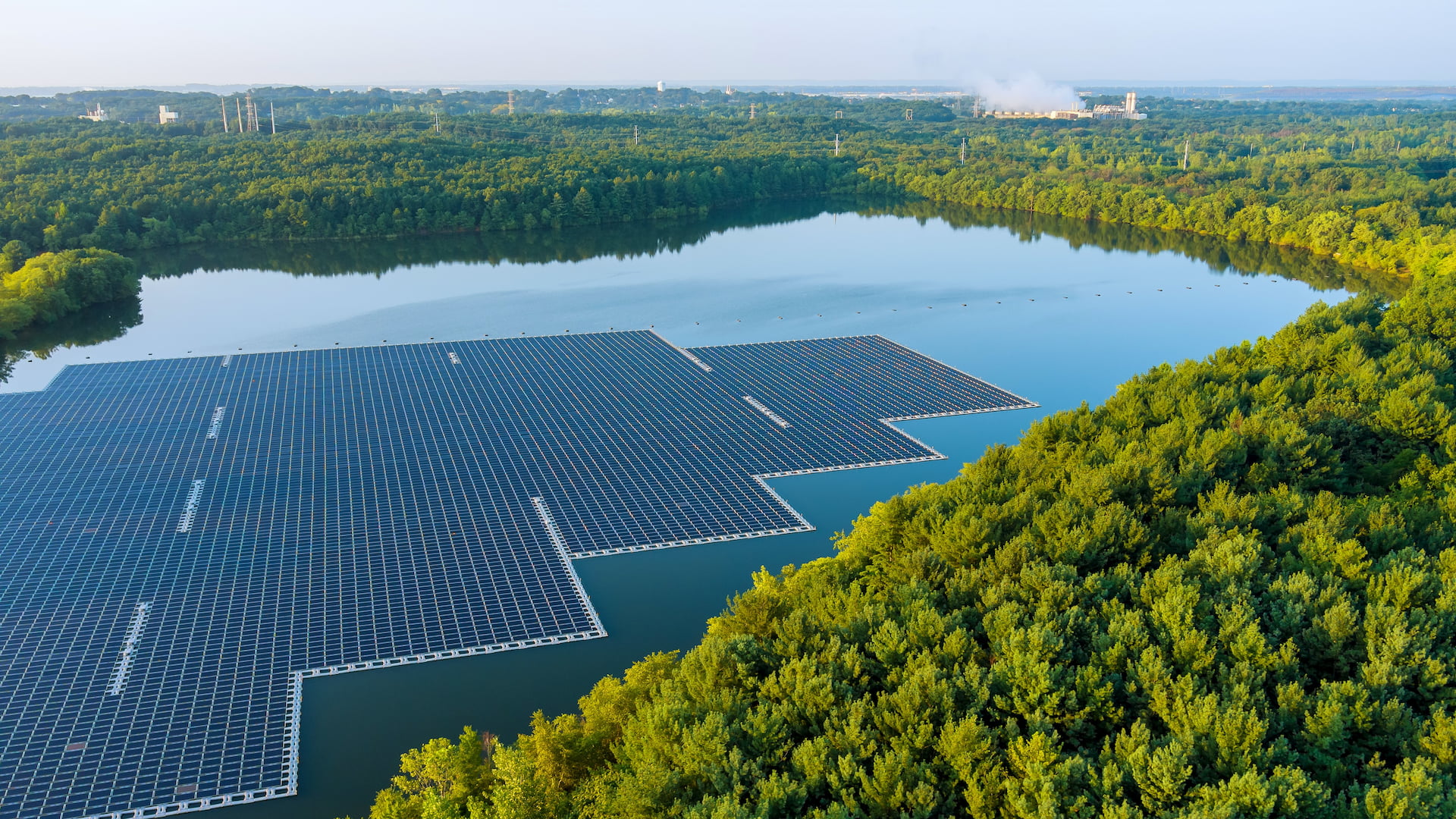
Renewable energy is arguably the most understood by markets right now of all the areas of economic and social upheaval that will occur in the future years. This, according to David Harrison, the manager of the Rathbones Greenbank Global Sustainability fund, has its own set of problems. “Renewables are absolutely receiving more funding,” he says,…
Providers of energy efficiency services: a way to become green
Many organizations and people are aware of the necessity of decreasing their energy use; doing so has environmental advantages as well as cost savings. However, one of the most significant impediments to widespread adoption of energy-efficient technologies is the high cost of purchasing, installing, and maintaining these systems. According to Barry Bredenkamp, the South African…
Energy-Efficient Homes Save Lives: The Ultimate Guide to Resilient, Climate-Ready Living
Why Energy-Efficient Homes Are a Lifeline in Extreme Weather We are entering an era where extreme weather events—winter storms, heat waves, and grid failures—are no longer rare disruptions but recurring realities. In this environment, energy-efficient homes are not merely cost-saving investments; they are critical infrastructures that protect lives. By optimizing insulation, reducing energy demand, and…
ENERGY
Energy Without Intermittency Anxiety: Stability Beyond Sun and Wind
Every renewable system has a shadow. Solar arrays perform with elegance under clear skies, yet at sunset their output declines with mathematical certainty. Wind farms can produce power at night, but atmospheric patterns are irregular. Modern grids compensate through storage, dispatchable plants, and sophisticated forecasting. Still, beneath every strategy lies a subtle tension: intermittency anxiety.